Living in Valletta: A Complete Property and Lifestyle Guide
Discover what it is like to live in Malta's capital, from restored palazzos and modern apartments to the cultural scene, dining, transport, and property prices in Valletta.
1Valletta: Europe's Smallest Capital, Malta's Biggest Character#
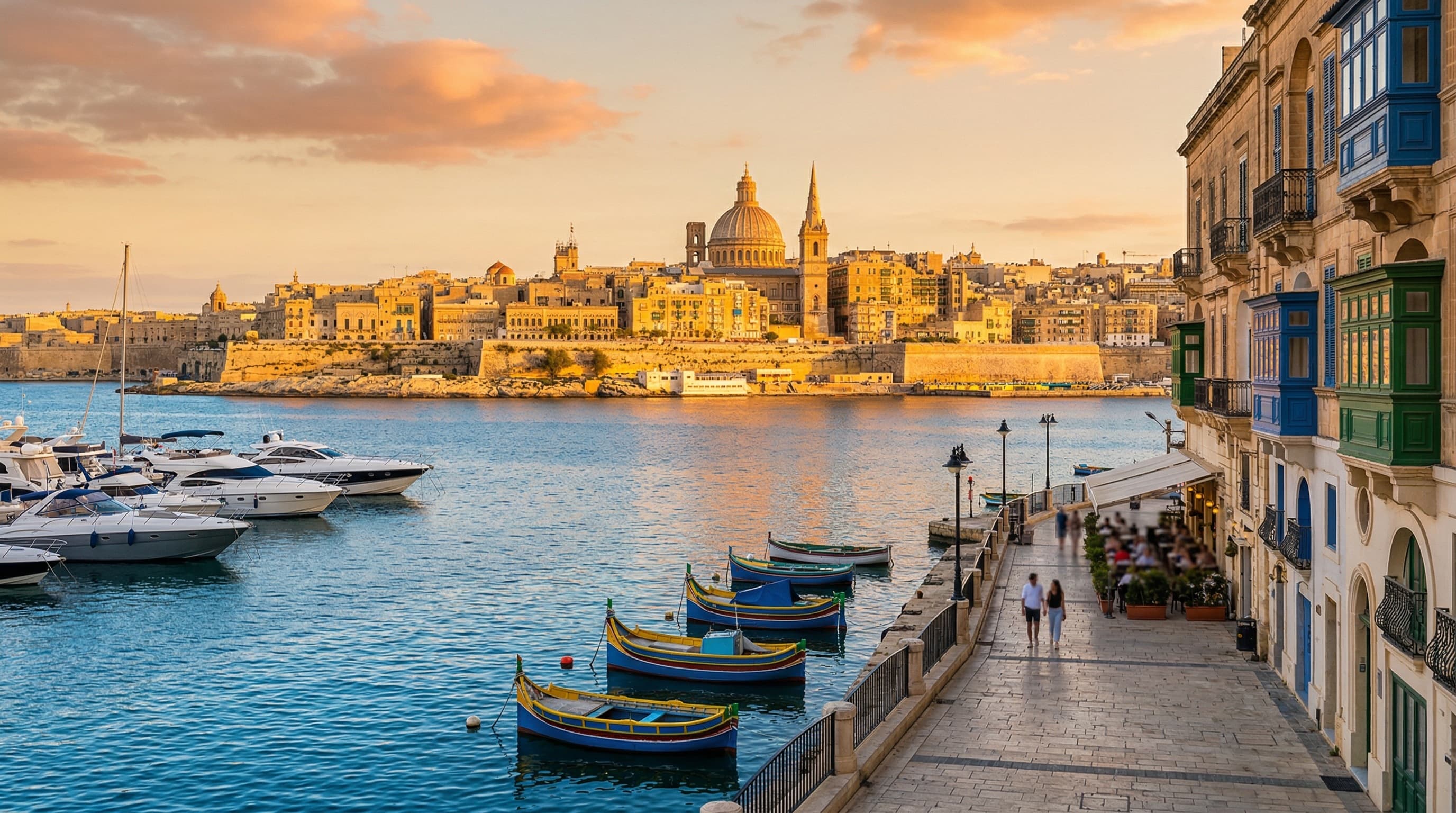
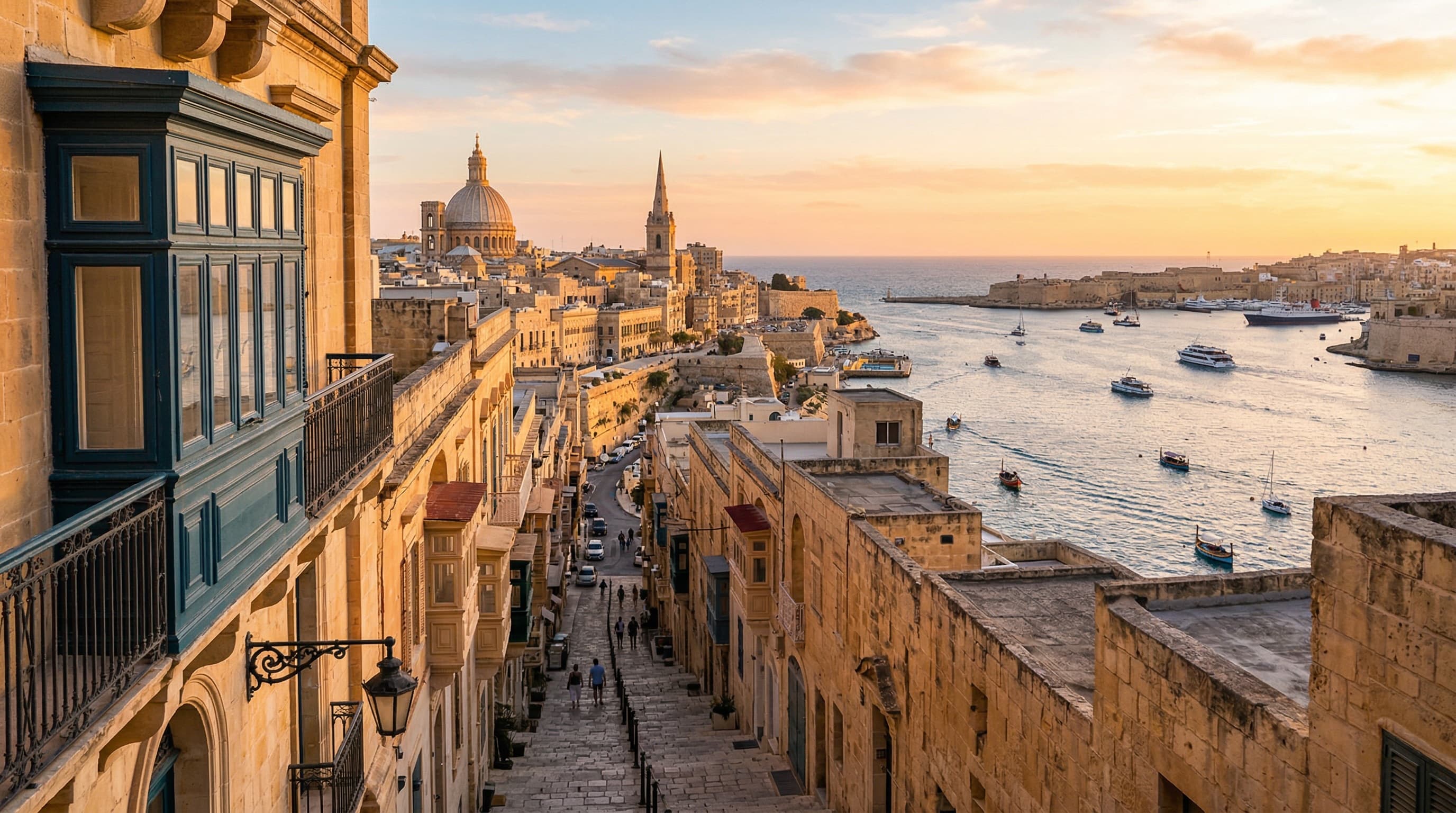
Valletta is not just Malta's capital; it is an entire city built as a monument. Constructed by the Knights of St John in the 16th century, the city was designated a UNESCO World Heritage Site in 1980. Today, it is one of the most concentrated cultural destinations in Europe, packed with baroque architecture, renovated palazzos, museums, and a vibrant cafe culture.
In recent years, Valletta has undergone a remarkable transformation from a somewhat sleepy administrative centre to a sought-after residential and cultural hub. The restoration of numerous buildings, the opening of the Renzo Piano-designed Parliament building and City Gate, and a growing food and nightlife scene have drawn younger residents, digital nomads, and property investors.
2Property in Valletta#
2.1Prices#
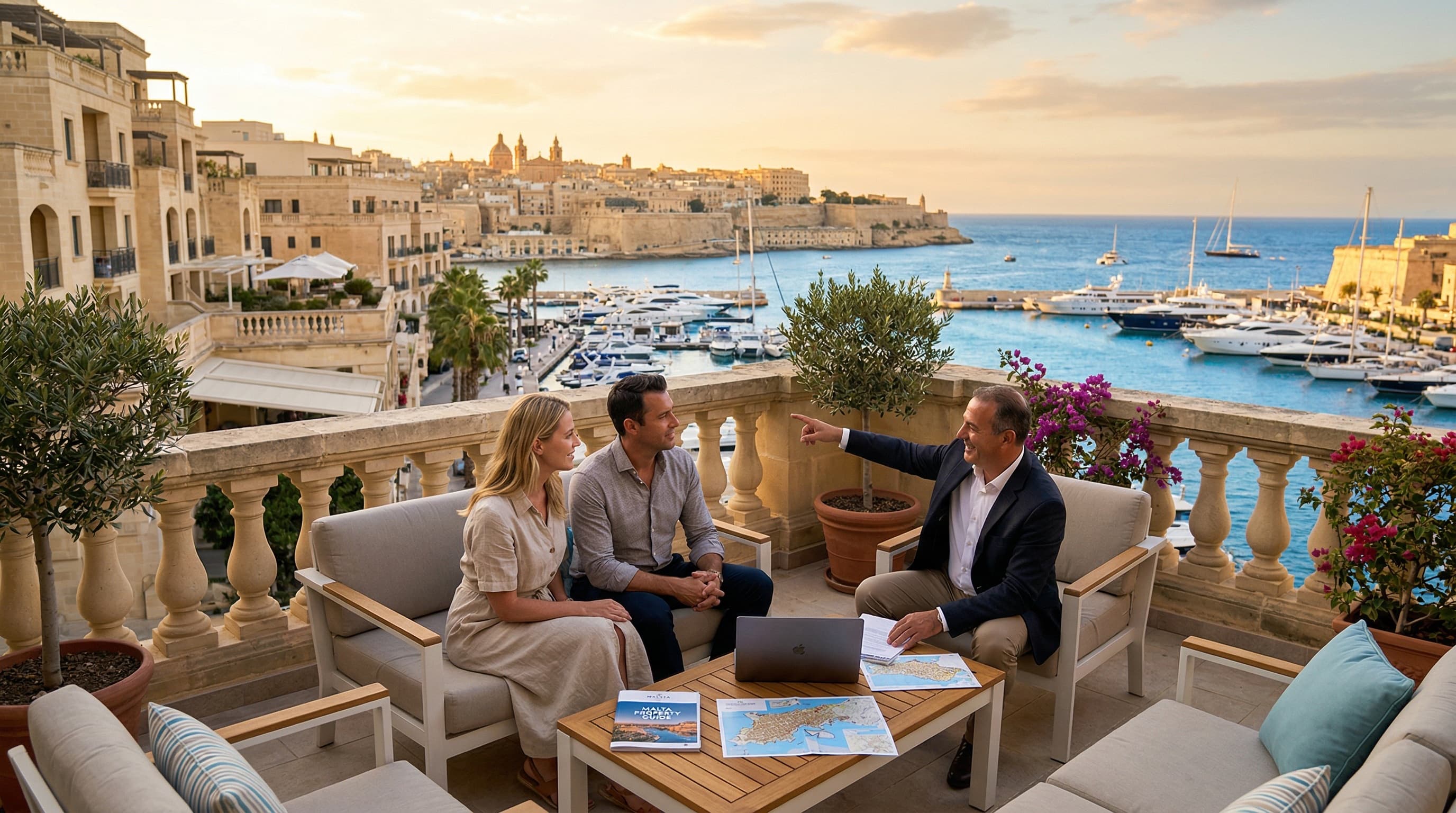
Property prices in Valletta's city centre average around 4,738 euros per square meter, though this varies enormously depending on the specific location, the condition of the building, and whether the property has views. Restored palazzos with harbour views can command significantly higher prices, while unrenovated properties in side streets offer entry points below the city average.
Outside the immediate city centre (such as the upper Valletta areas near Fort St Elmo), prices drop to around 3,564 euros per square meter.
2.2Rental Market#
A one-bedroom apartment in Valletta's city centre rents for approximately 1,158 euros per month, while a three-bedroom apartment averages around 2,750 euros. Outside the centre, a one-bedroom rents for about 875 euros.
Rental yields in Valletta average just 1.72%, reflecting the high purchase prices relative to rental income. This makes Valletta a market driven more by capital appreciation and lifestyle value than by rental returns.
2.3Property Types#
Valletta's unique architecture means property types here differ from the rest of Malta:
- Converted palazzos split into apartments
- Townhouses with traditional Maltese balconies
- Modern apartments in newly renovated developments
- Some commercial spaces converted to residential use
- Rooftop penthouses with panoramic harbour views
3Living in Valletta: Day-to-Day Life#
3.1Cost of Living#
Living costs in Valletta are broadly in line with the rest of coastal Malta. Monthly costs for a single person average around 869 euros excluding rent, while a family of four can expect to spend approximately 3,182 euros excluding rent. Valletta is only marginally more expensive than Sliema for everyday goods, and rent is actually about 16% lower.
3.2Getting Around#
Valletta is built on a peninsula and is entirely walkable. The main street, Republic Street, runs the length of the city, and most amenities are within a 10-minute walk. Malta's main bus terminal sits just outside City Gate, providing connections to every town on the island.
Parking within Valletta is limited and can be challenging. Many residents use the park-and-ride facilities or rely on public transport and walking.
3.3Dining and Culture#
Valletta punches well above its weight for a city of its size. The restaurant scene ranges from traditional Maltese pastizzerias to fine-dining establishments. The Strait Street area, once the city's red-light district, has been revived as a nightlife and cultural quarter with wine bars, live music venues, and cocktail spots.
The city's cultural calendar includes the Valletta Film Festival, numerous art exhibitions at venues like MUZA (the national art museum), and regular events at the Mediterranean Conference Centre. The Upper Barrakka Gardens offer arguably the best view in Malta, overlooking the Grand Harbour and the Three Cities.
3.4Groceries and Shopping#
Valletta has several convenience stores and small grocery shops, though for a full weekly shop, many residents drive to larger supermarkets in nearby Hamrun or Msida. The city's main market, the Mercato, offers fresh produce, seafood, and local products.
3.5Healthcare#
Mater Dei Hospital, Malta's main public hospital, is located about 15 minutes by car from Valletta in Msida. Several private clinics and pharmacies are available within the city itself.
4Who Is Valletta For?#
Valletta attracts a particular type of resident:
- Culture lovers who want to live surrounded by history and the arts
- Remote workers and digital nomads drawn to the cafe culture and ambiance
- Retirees seeking a walkable Mediterranean city with character
- Investors looking for prestige properties with long-term appreciation potential
- Young professionals attracted to the city's growing nightlife scene
5Considerations Before Buying#
- Many buildings are old and may require significant renovation
- Noise levels can rise during festival season and summer weekends
- Parking is limited; consider whether you need a car
- Some streets have steep hills that may not suit everyone
- Properties with original features (timber beams, Maltese tiles) may have restoration requirements